
Behind the Console
Tech drives operations, but people make it happen. Join us to explore the tools shaping modern mission control.

10 Operations Metrics Every High-Reliability Team Should Track
Cycle time, first-pass yield, NCR aging, traceability coverage — the operations metrics that let high-reliability teams catch risk before it becomes a mission-ending failure, not after.

National Security Space Is Scaling Fast — Can Your Operations Keep Up?
National security space is scaling faster than the operational tooling underneath it. As constellations proliferate and launch cadences compress, the procedures, records, and coordination layer connecting a mission together is becoming the real limiting factor — and the strategic asset — for Defense and Government program leads.

Buyer's Guide: Choosing an Operations Platform for High-Consequence Work
Interoperability, traceability, real-time data, and security — the four criteria that separate purpose-built operations platforms from repurposed project tools. A practical scorecard for Program and Project Managers shortlisting vendors for high-consequence work.

Beyond Aerospace: Procedure Management for Fusion, Nuclear, and Energy Operations
Fusion, advanced nuclear, and energy robotics are entering the same phase aerospace already went through: fast-moving hardware programs colliding with the need for provable, auditable operations. With the NRC's new fusion licensing framework putting procedures at the center of the safety case, here's what energy ops leaders can learn from an industry that's already solved this problem.
Mission Assurance in Defense Programs: Speed Without Sacrificing Rigor
Defense modernization is forcing program leads to choose between speed and rigor, but the best programs are proving that's a false choice. Here's how mission assurance is shifting from a compliance checkbox to built-in infrastructure that supports both.

Electronic Quality Management Systems (eQMS): What They Are and Why They Matter
Quality has always been an evidence business. It isn't enough to do the work correctly — you have to prove you did. Here's what an eQMS actually is, why teams move off paper and spreadsheets, and why as-run data is what separates a digital form from real audit readiness.

Scaling Smallsat Production: From One-Off Builds to Serial Manufacturing
Most constellation programs made the strategic decision to build at volume long before they made the operational transition to serial manufacturing. They committed to rate on the slide and stayed in prototype mode on the floor. That gap is the central problem of smallsat production scaling — and it has almost nothing to do with floor space.
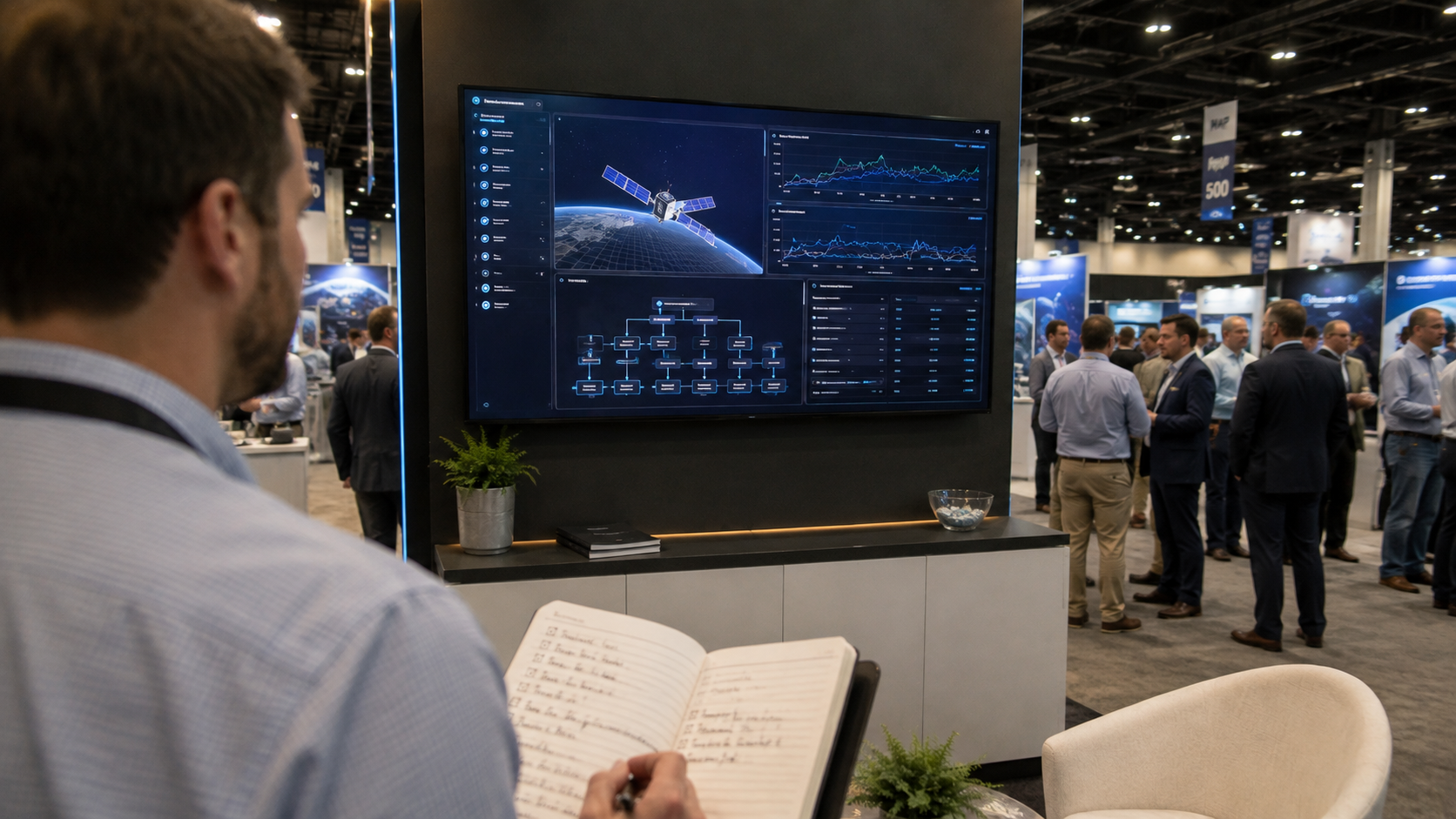
Heading to SmallSat 2026? Questions to Ask Every Ops Software Vendor
The SmallSat exhibit hall is a target-rich environment — and a noisy one. Every booth promises traceability, speed, and a single source of truth. Here's the checklist that separates platforms that deliver from ones that only demo well, organized so you can work the floor deliberately instead of collecting brochures.
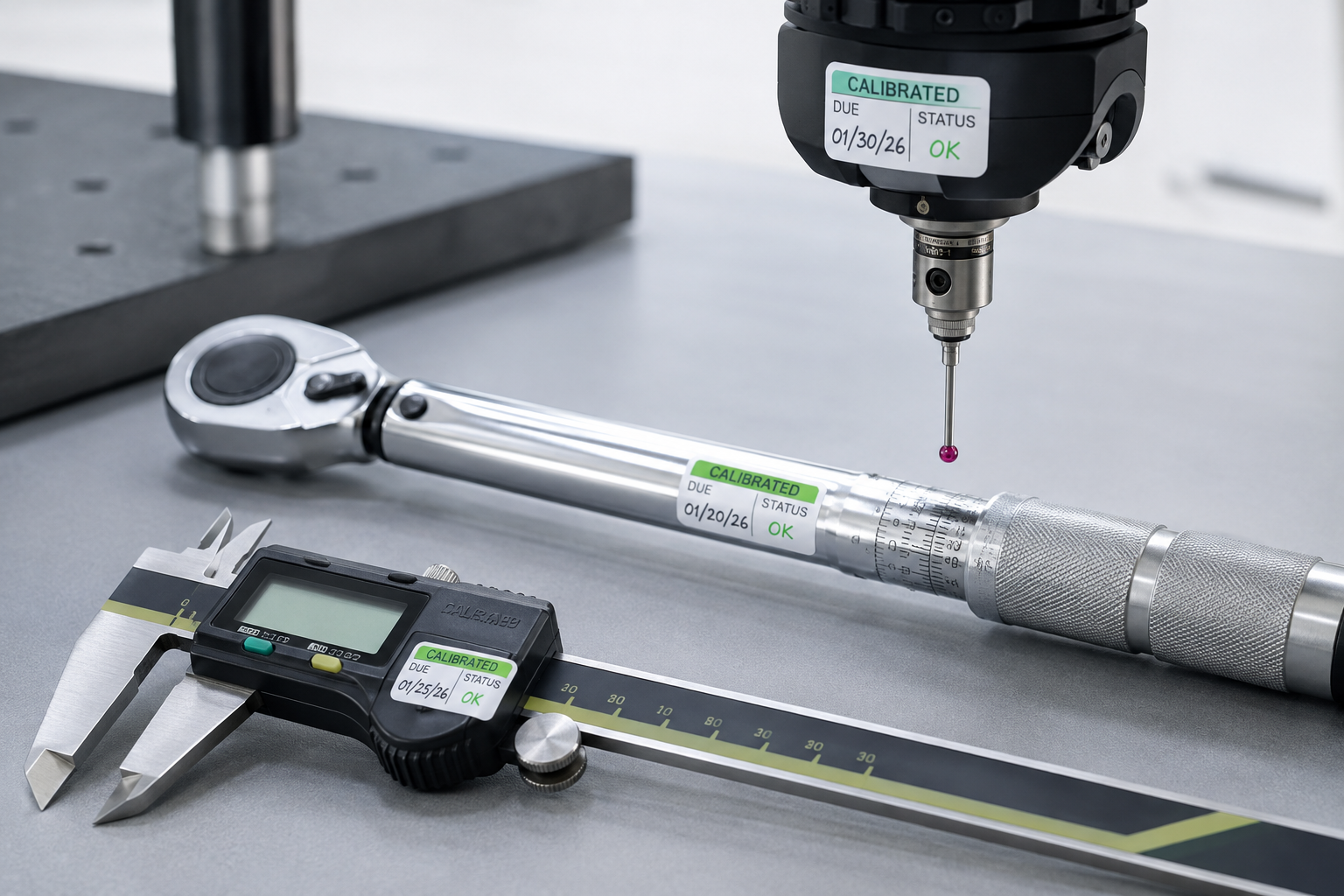
Calibration Management Software: Keeping Equipment Audit-Ready
Every accept-or-reject decision your team makes rests on a measurement, and every measurement rests on the assumption that the instrument taking it is telling the truth. This guide breaks down why calibration and tool control are foundational to compliance, what a calibration management system actually does — from equipment registers to reverse traceability — and how connecting calibration status to the point of work turns audit readiness from a scramble into a query.
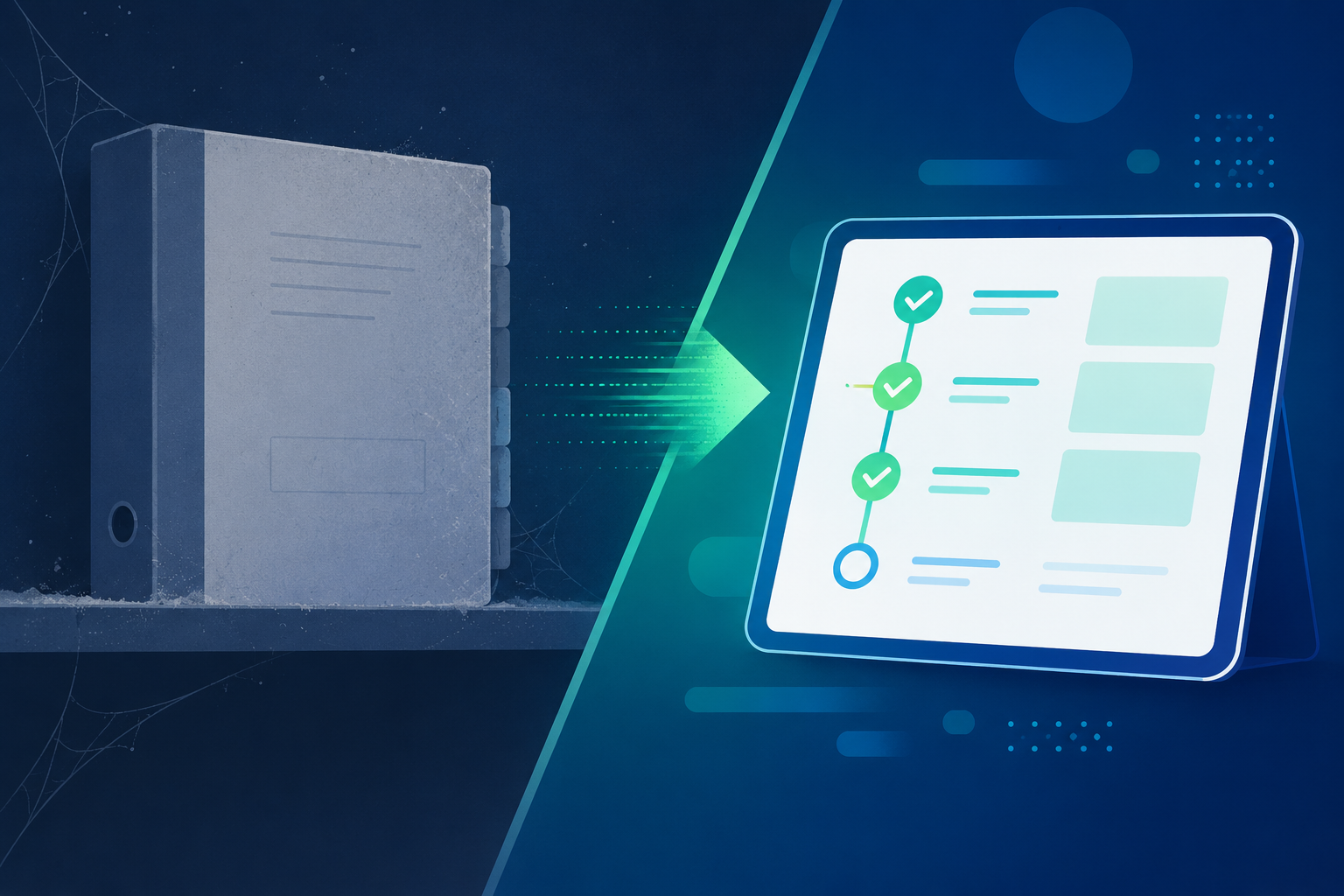
SOP Software & Policy and Procedure Management: Turning Documents Into Execution
Most teams have a library of SOPs and no real confidence that work happens the way those documents describe. This guide walks through the six steps that close that gap — turning static procedures into executable, point-of-work processes with built-in feedback loops, version control, and as-run records that keep policy and practice in sync.
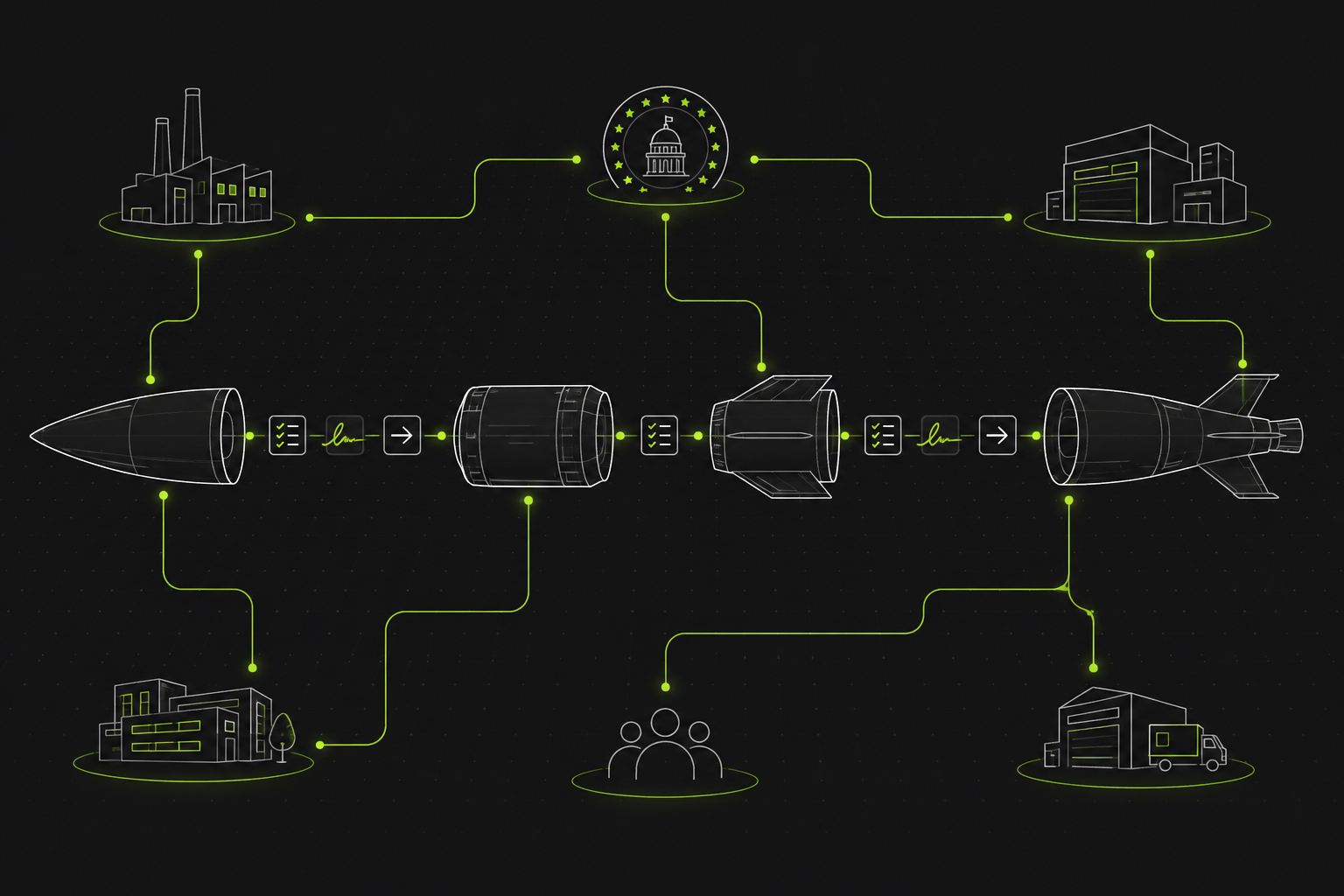
The Missile Manufacturing Bottleneck Isn't Steel or Propellant. It's Procedure Execution.
US munitions output is constrained by cross-organization coordination, not materials. Why procedure execution is the bottleneck — and what fixing it takes.

Production Tracking for Aerospace and Defense
Most production tracking tools assume thousands of identical units a day. Aerospace and defense builds dozens a year, each one serialized, heavily documented, and export-controlled. This guide walks through six steps for building tracking that delivers traceability, quality, and cadence at once — starting with the digital traveler and ending with real-time floor visibility.

What FAA Part 450 Means for Your Launch & Reentry Operations
The regulatory ground shifted this year. As of March 2026, FAA Part 450 is no longer one option among several, it is the only path to a launch or reentry license, and the legacy rules many operators grew up on are off the books. Part 450 trades prescriptive requirements for performance-based ones, which sounds like flexibility and often is. But it also moves the weight onto your documentation. Your license authorizes you to operate the specific way you said you would, which makes procedures and as-run records part of the regulatory contract rather than internal paperwork.
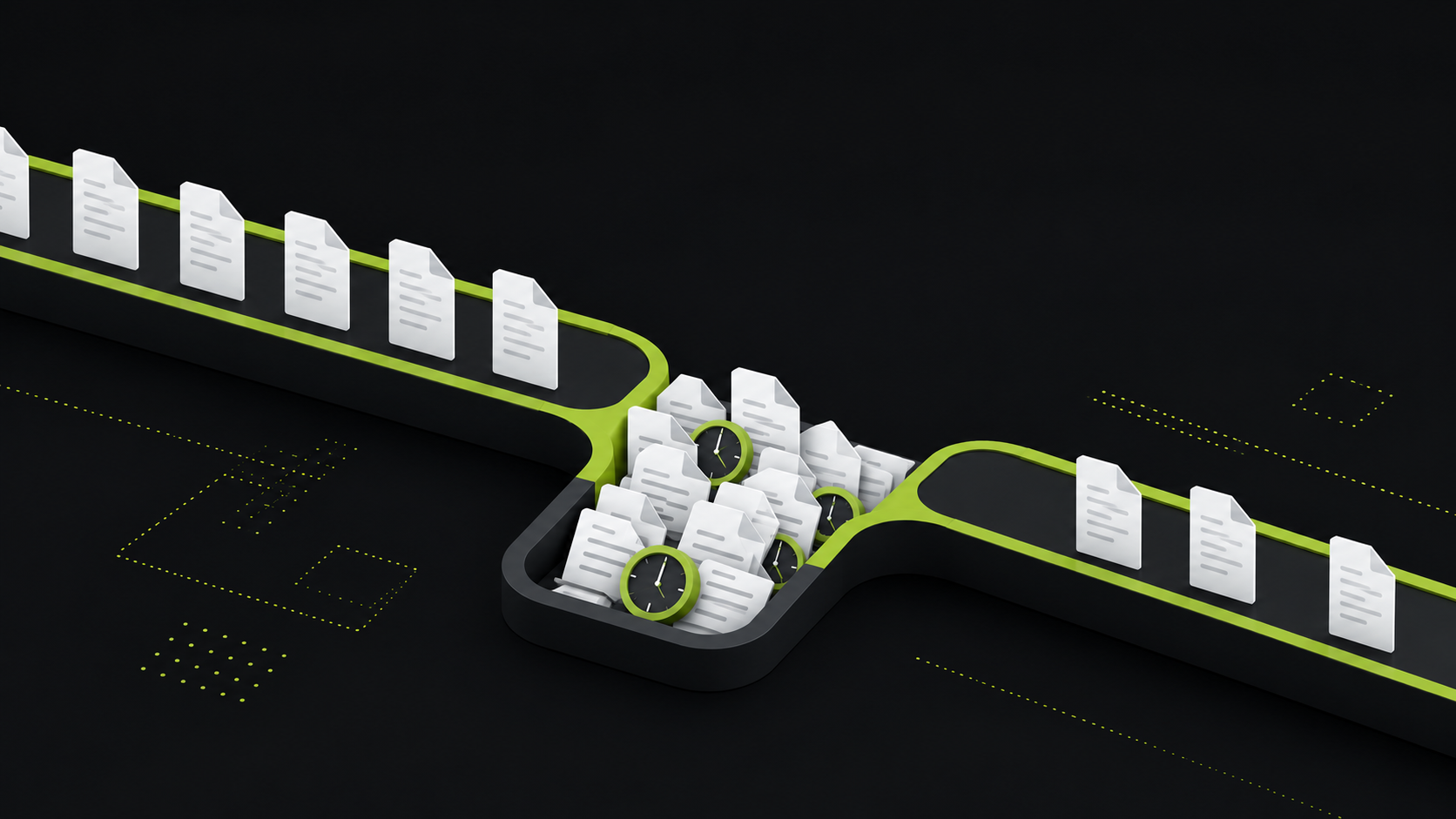
The Operations Bottleneck Nobody Talks About: Procedure Review Cycles
Programs dissect every visible delay — the long test, the late hardware, the anomaly that cost a week — while one of the largest sources of latency sits untracked off to the side: the time procedures spend waiting to be reviewed. The review cycle hides in the gaps between scheduled work, has no single owner, and disguises itself as rigor. It's rarely the reviewing that's slow. It's everything around it.

AS9100 & ISO 9001 Without the Binder: Audit-Ready Operations by Default
Every surveillance cycle brings the same quiet panic: pulling records, chasing missing sign-offs, and assembling binders of evidence to prove the work was done right. It doesn't have to be that way. When digital execution captures objective evidence as a byproduct of the work itself, AS9100 and ISO 9001 audit-readiness stops being a project and becomes the default state of your operation.
GET STARTED TODAY
Plan, Track, Analyze, and Optimize Complex Operations with Epsilon3
