
Behind the Console
Tech drives operations, but people make it happen. Join us to explore the tools shaping modern mission control.
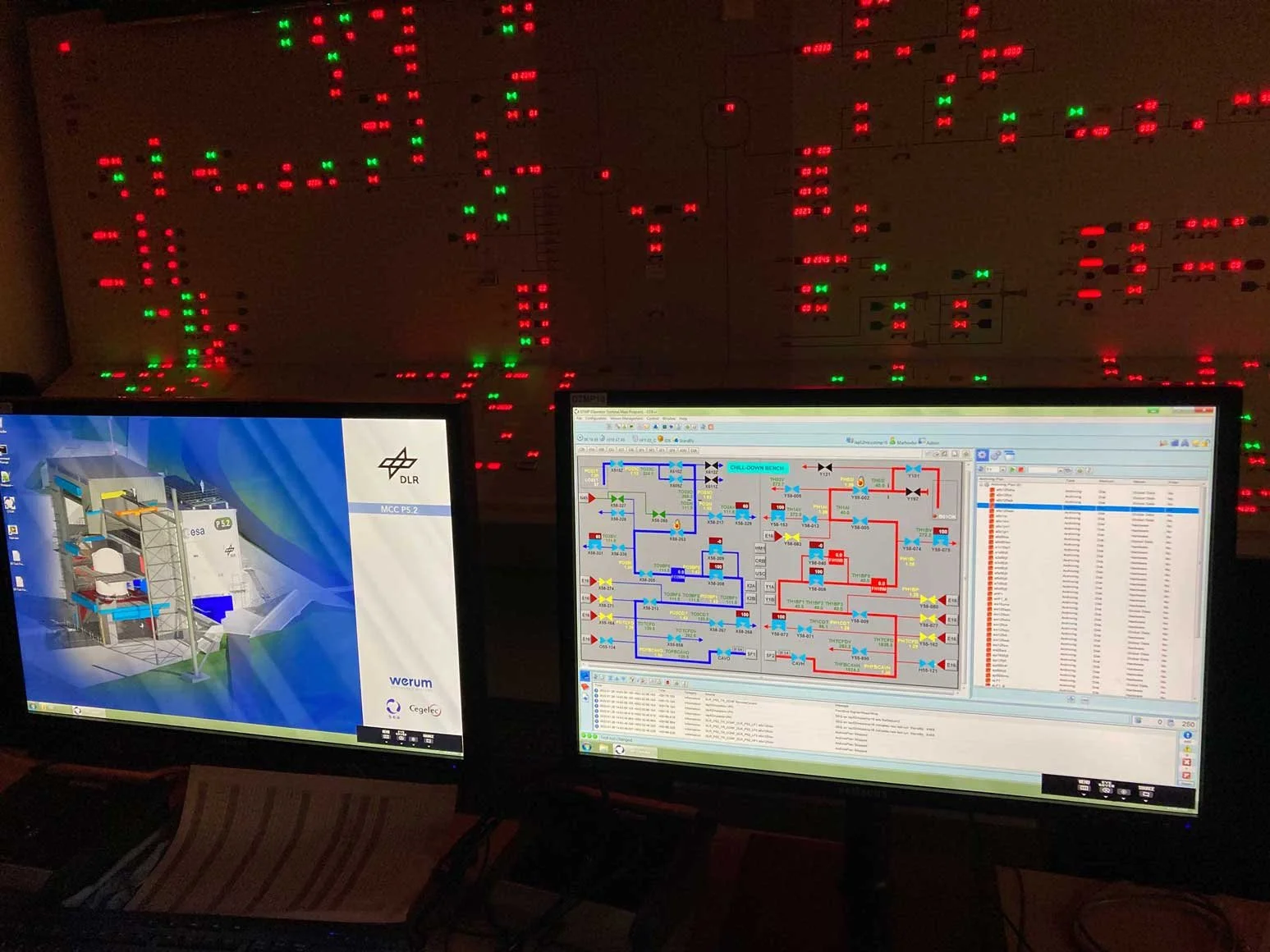
Integrating Telemetry and Test-Stand Data Directly into Your Procedures
On most test stands, two systems run in parallel and never quite meet: the telemetry stream pouring out of the DAQ, and the procedure the conductor works through step by step. The operator is the bridge between them — and that bridge is where latency, error, and lost data live. Here's what changes when you close the gap and let the data drive the procedure.
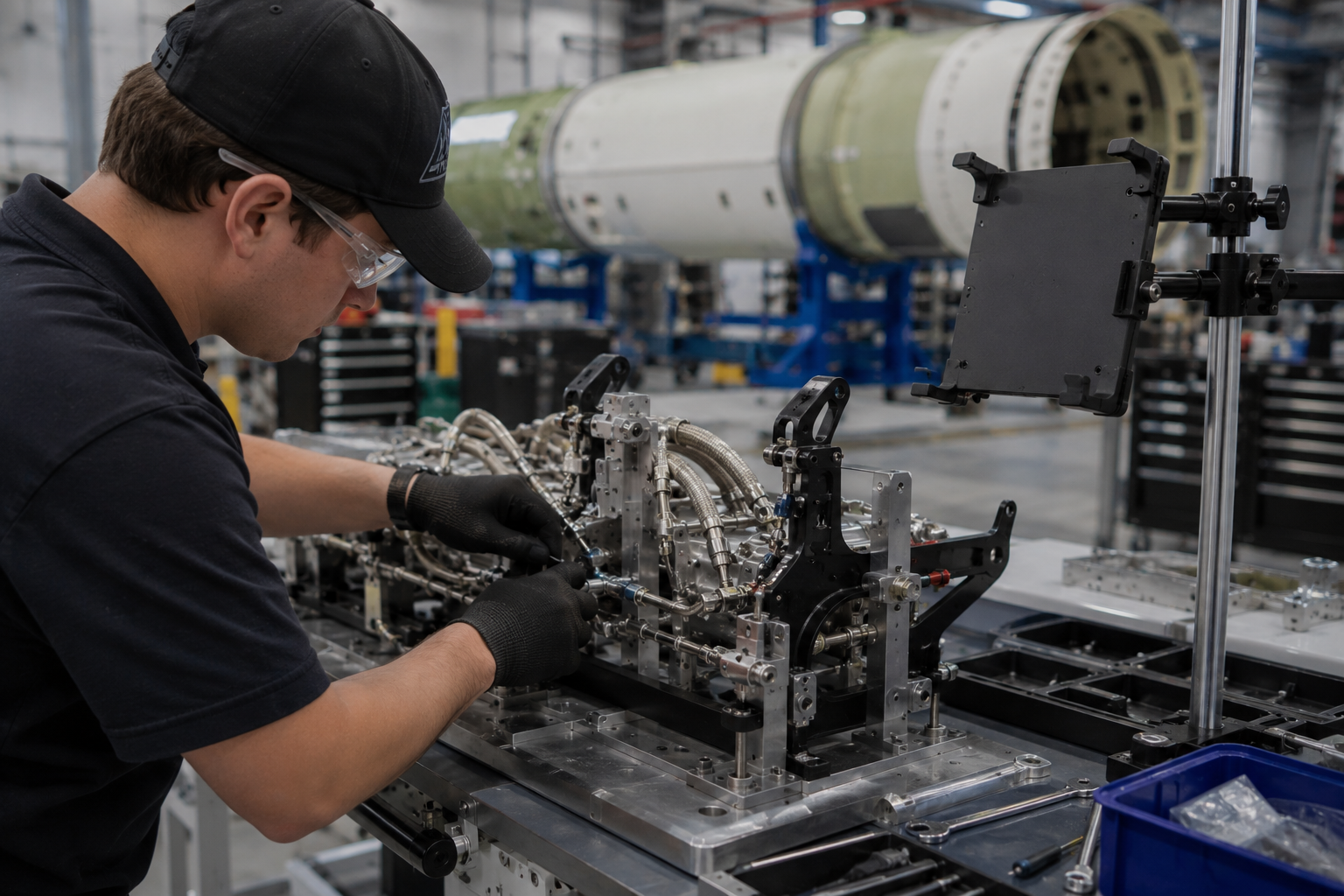
Building a Traceable As-Built Record: A Practical Guide
The as-designed record tells you what the hardware was supposed to be; the as-built record tells you what it actually is. This practical guide walks quality and mission assurance managers through building an as-built record you can query, defend in an audit, and rely on during a recall.
5 Signs Your Test Program Has Outgrown Spreadsheets
Spreadsheets are where almost every test program starts. But as articles multiply and review cycles tighten, the workbook that once felt nimble becomes the riskiest thing in the building. The failure mode is rarely dramatic — it's a slow accumulation of friction, ambiguity, and quiet data loss. Here are five signs your program has crossed that line.
Introducing Epsilon3 University
Training infrastructure is hard to build and easy to deprioritize when programs are moving fast.
That's why today, we're launching Epsilon3 University, a free, online, self-paced learning platform for our Epsilon3 community.
Ask Me Anything: Introducing Epsilon3 MCP Preview
A rocket program generates some of the most valuable data in all of science and engineering, and almost all of it lives one or two clicks too far from the person who needs it. Today we're closing that gap with the Epsilon3 MCP server, now in beta preview. It lets an AI assistant you may already use, like Claude or ChatGPT, connect securely to your Epsilon3 environment and answer questions about your live data in plain language, without clicking through a single screen. The data already runs your program. Now you can just ask it.

From Checklist to System of Record: What Digital Procedure Execution Actually Changes
Every mission and launch ops team runs on procedures, and for most of the discipline's history those procedures have lived as documents: a PDF, a printed binder, a spreadsheet with a checkbox column. They work, right up until they don't. This is the concrete before-and-after of moving to digital procedure execution, where the procedure isn't a document you read alongside the work but a live system of record that runs it, tracks it, and remembers it. The shift is less about replacing paper than turning the procedure itself into operational data.

Speed Without Compromise: How High-Reliability Teams Move Fast Without Cutting Corners
For two decades, operations leaders accepted a quiet ultimatum: move fast or move carefully, but never both. It's a tidy story, and it's wrong. The world's most demanding operations teams are among the fastest precisely because they refused the trade-off. The drag was never rigor itself: it was the manual execution of it. Digitize the discipline, and the friction collapses while the rigor remains, making the safe path the fast path.
From Tribal Knowledge to Institutional Knowledge: Capturing Operations Expertise
Ask anyone on an operations floor who to call when something goes wrong, and you'll get a name, not a document. The most valuable expertise in most aerospace organizations lives in people's heads, and walks out the door when they leave. Here's how to turn tribal knowledge into institutional knowledge.

What Is a Procedure Execution System, and Why Engineering Teams Are Adopting One
Spreadsheets, PDFs, and paper checklists were never built to run high-stakes operations. A procedure execution system replaces them with a live system of record that handles authoring, execution, and data capture in one place. Here's what these systems do, and why engineering teams are making the switch.
Common Compliance Failures in Aerospace Operations
In aerospace, the standards are rarely the problem. Teams know what AS9100, ITAR, and the FAA require, yet the findings keep coming. That's because most compliance failures aren't knowledge gaps, they're evidence gaps: the right thing happened, but the system couldn't prove it. Here are the patterns that recur, and how to close them.

State of Operational Readiness: The Workaround Economy
New survey: manufacturing, aerospace, and defense professionals are confident in their teams — but increasingly critical of the systems underneath them.
ISO 9001 vs AS9100: What Ops Teams Need to Know
ISO 9001 vs AS9100 is one of the most common comparisons in aerospace quality management — but most explanations stop at "AS9100 is the aerospace version." For ops teams, the real differences show up in how work gets executed: in procedures, traceability, configuration control, and the audit-ready records that prove it all happened. Here's the breakdown that matters on the floor.
The Limits of Paper Checklists in High-Risk Environments
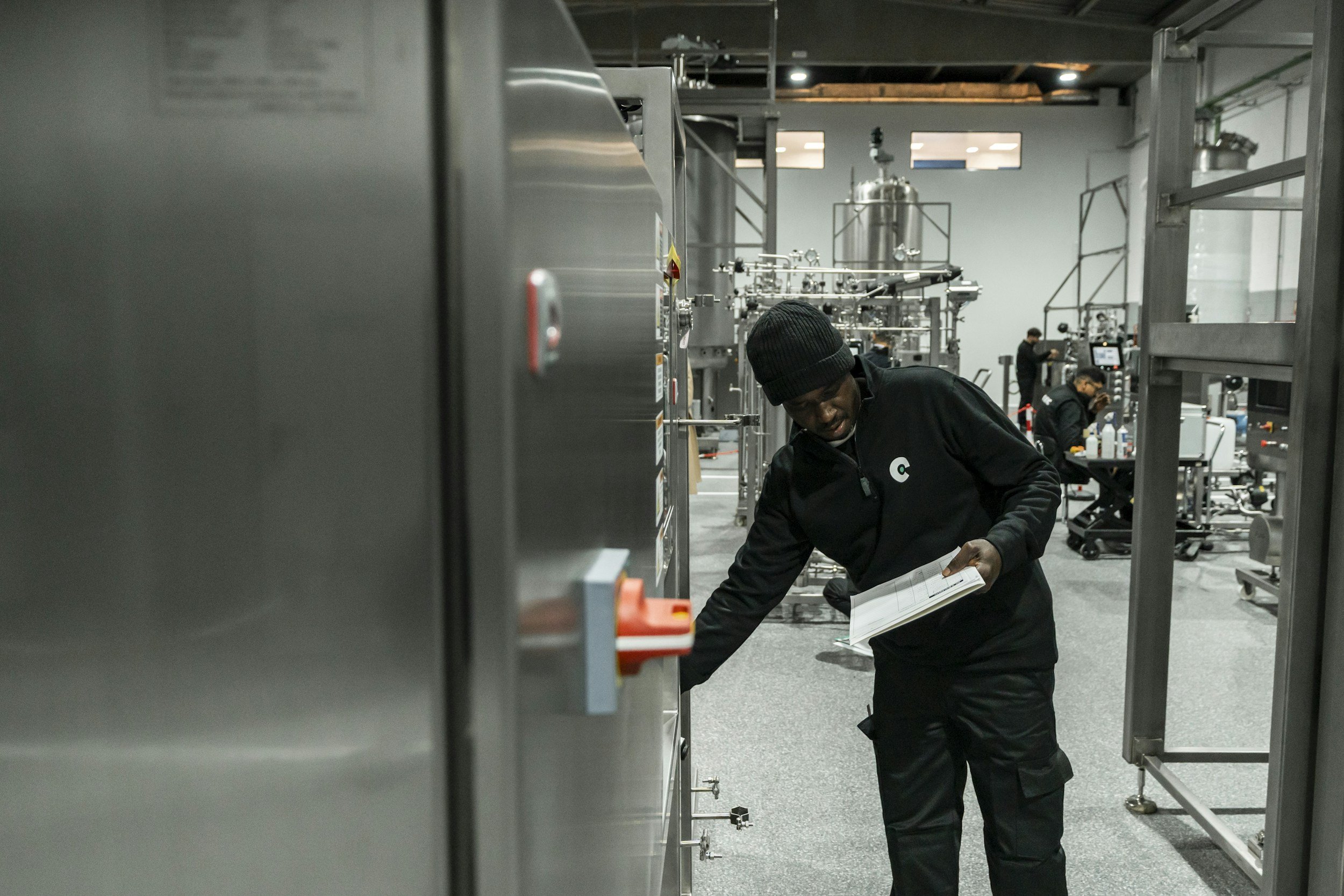
Paper checklists have a strange kind of credibility. Aviation built a safety culture around them. Operating rooms adopted them. The form was filled out, the boxes were ticked, the signatures are there, and in a low-stakes environment that is enough. In a high-risk one, it is the start of the problem. Here is what the data on procedural noncompliance actually shows, and what paper cannot do that complex programs now require.
Building a Digital Audit Trail for Regulated Programs
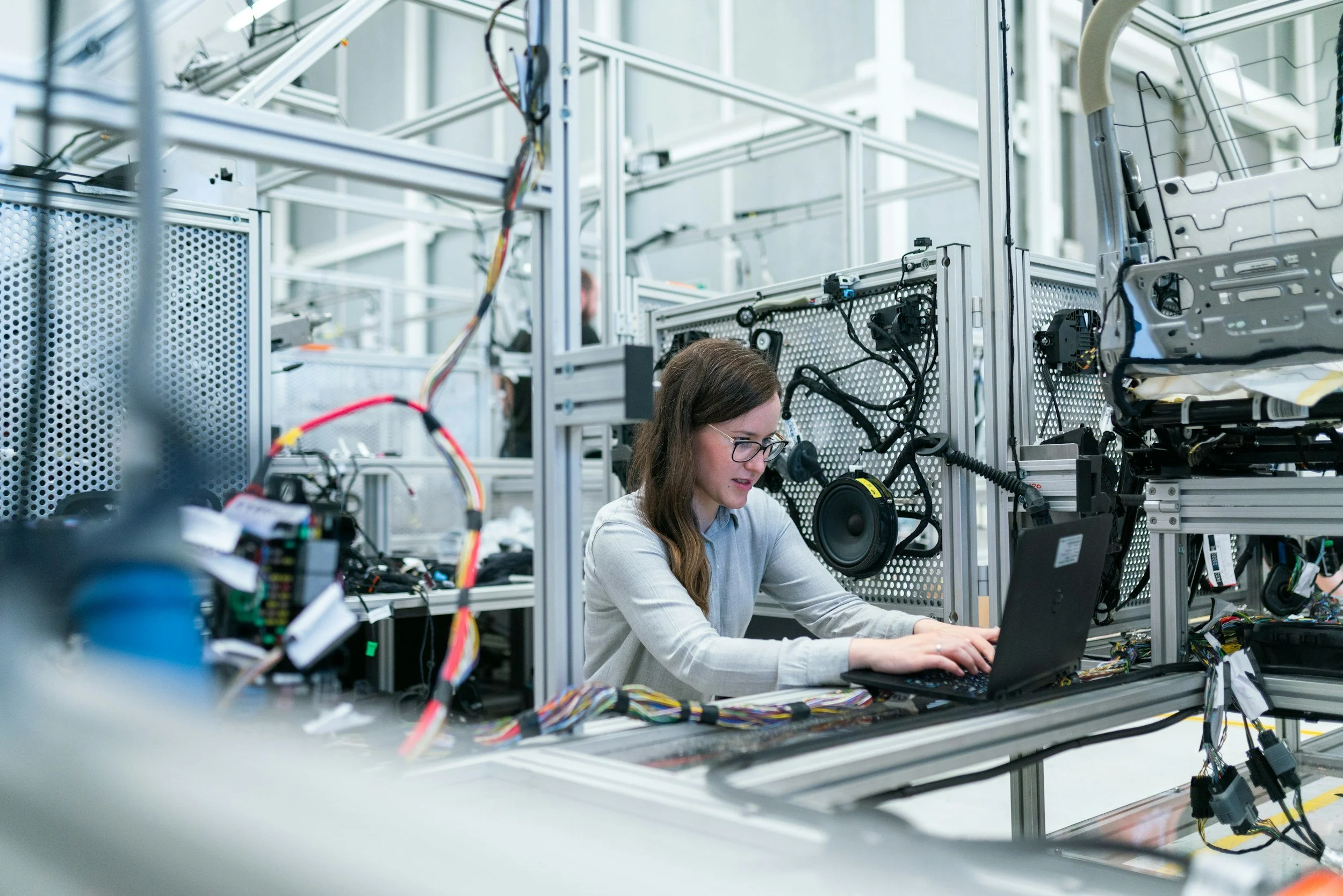
In regulated aerospace programs, the audit trail isn't a compliance formality. It's the foundation that everything else rests on. When a customer asks for traceability on a specific unit, when a regulator requests evidence of conformance, when an anomaly surfaces mid-program and root cause requires knowing exactly what was done, by whom, in what order, the audit trail is what you reach for. The problem is that most operations teams aren't building a digital audit trail. They're reconstructing one. And those are two very different things.

How to Pass an AS9100 Audit Without Chaos
The companies that struggle through AS9100 audits aren't usually doing bad work. They're doing good work they can't prove. The audit doesn't just test your quality — it also tests your documentation of quality. Those are two different problems, and only one of them is solved by working harder in the weeks before the auditor walks in.

Manufacturing Execution Systems for Rocket Manufacturing
The commercial space industry has outpaced the software stacks built to support it. Launch cadence is accelerating, hardware complexity is growing, and engineering teams are being asked to move faster without absorbing more risk. That pressure exposes a hard truth: most manufacturing execution systems were never designed for this environment. The right question for a modern MES isn't "what happened?" — it's "was it done correctly, by the right person, with the right configuration, at the right time?"

How to Run a Mission Readiness Review (MRR): A Complete Guide
How to Run a Mission Readiness Review (MRR): A Complete Guide
Digital Work Instructions Software for Mission-Critical Procedures | Epsilon3
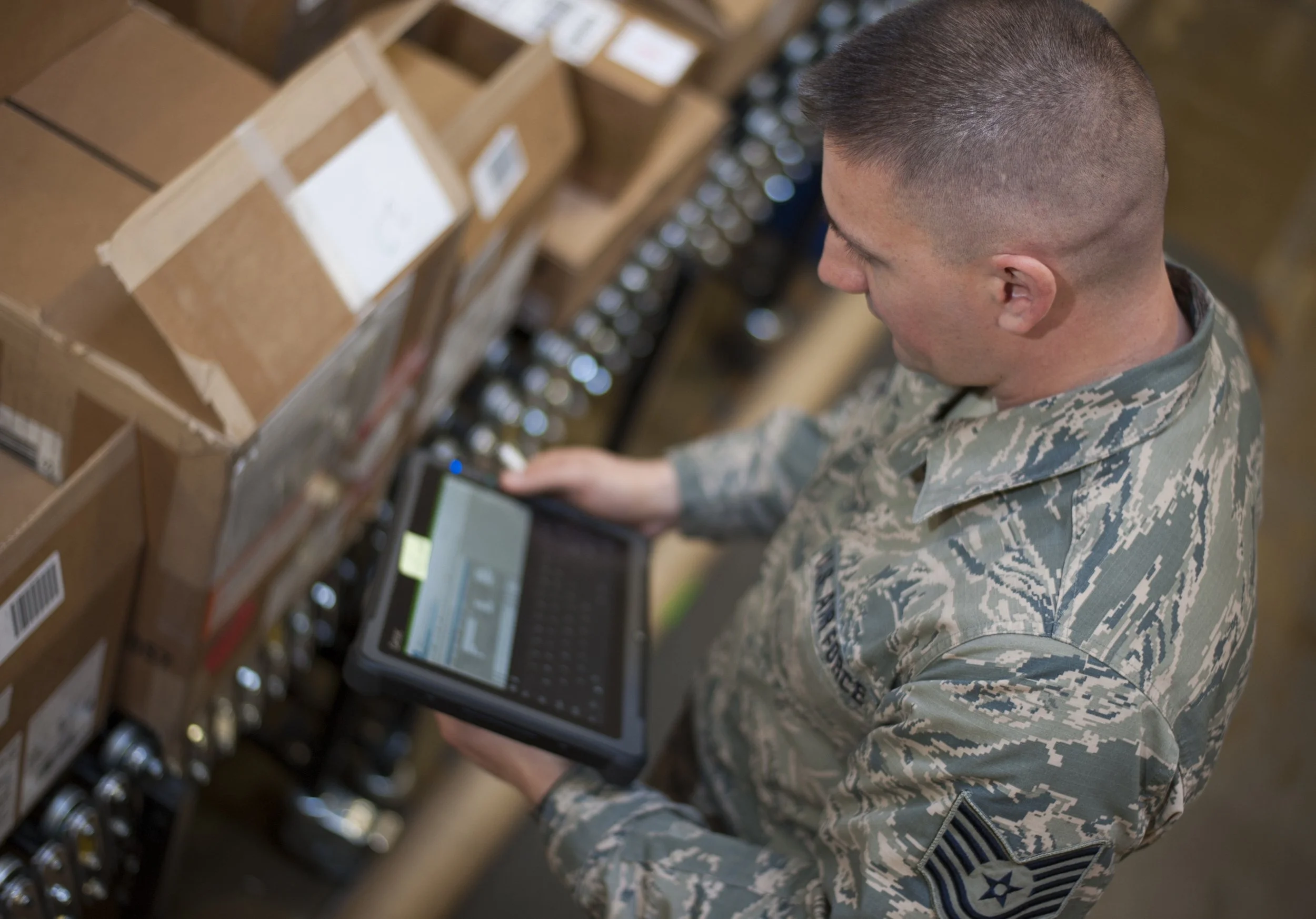
Digital Work Instructions Software for Mission-Critical Procedures
GET STARTED TODAY
Plan, Track, Analyze, and Optimize Complex Operations with Epsilon3
